Floating Connector
Explore floating board-to-board connectors used to absorb misalignment and vibration between mated PCBs in dense, high-reliability electronic systems. Learn about stack height, floating range, pin count, mating force, and design considerations for applications
Articles
8 entries
Floating Board-to-Board Connectors for Semiconductor Test Equipment: Precision Alignment at the Wafer Level
In wafer probing and automated test equipment, 0.1mm of misalignment can scrap an entire wafer — floating board-to-board connectors are the precision-alignment layer that keeps yield intact.

High-Temperature Floating Connectors: Materials for 125°C+ Automotive Environments
Behind-the-windshield and wheel-arch mounting locations push automotive electronics past 125°C — and standard connector plastics simply aren't rated to survive it.

Mezzanine Floating Connectors: Modular Compute Stacking for Robotics
Robot compute needs change faster than robot hardware lifecycles — floating mezzanine connectors are what let a "brain" module be swapped or upgraded without redesigning the whole platform.
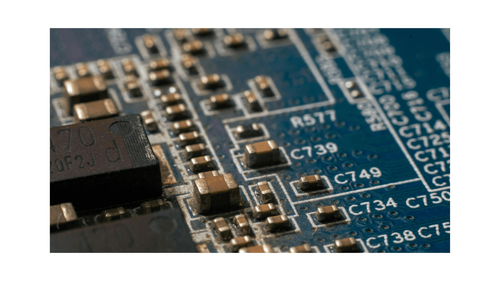
0.80mm Pitch Floating Connectors: Solving Warpage and Vibration in Automotive Cockpit Electronics
Why 0.80mm pitch has become the automotive industry's default floating connector size — and how its ±0.5mm tolerance and spring-terminal design survive reflow warpage and years of road vibration.

Molex FloatStack vs. Hirose BM54: Power vs. Sensing in EV and ADAS Floating Connectors
EVs need both high-current power connectors and tiny, precise sensor connectors — the Molex FloatStack and Hirose BM54 fill genuinely different roles rather than competing head-to-head.

IRISO 10133B vs. Hirose FX23: Vibration Resistance for Industry 4.0 Automation
A 6-axis robotic arm at full speed subjects its control boards to constant micro-vibration — the IRISO 10133B and Hirose FX23 solve that survival problem in genuinely different ways.

JAE MA01 vs. Molex FloatStack: Choosing a High-Speed Automotive Floating Connector
Two connectors that solve the historical floating-vs-high-speed tradeoff differently: JAE MA01 for signal-integrity-first designs, Molex FloatStack for combined power-and-data applications.

Floating Connector Design Guide: Stack Height, Pin Count, and Floating Range
How to balance mating force, stack height, floating range, and pin count when specifying floating board-to-board connectors — the mechanical fundamentals behind every application-specific design decision.