FPC as the Backbone of Consumer Electronics
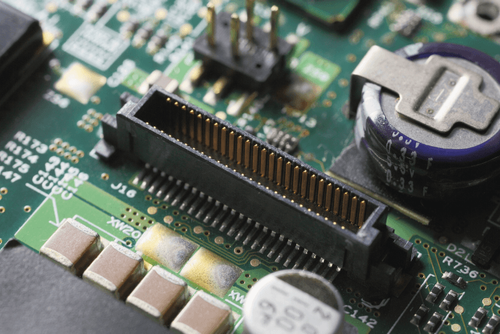
The modern drive toward ultra-thin consumer hardware has pushed traditional wire-to-board connectors out of primary mobile form factors, replacing them with micro-pitch FPC and FFC systems. These paper-thin interconnects are the primary data pipelines inside smartphones, laptops, high-definition displays, and compact camera assemblies. Operating inside these tightly packed, high-performance environments forces FPC connectors to handle intense design challenges, including continuous mechanical flexing, high-frequency electromagnetic interference (EMI), and severe thermal dissipation constraints.
Laptop Hinge Applications
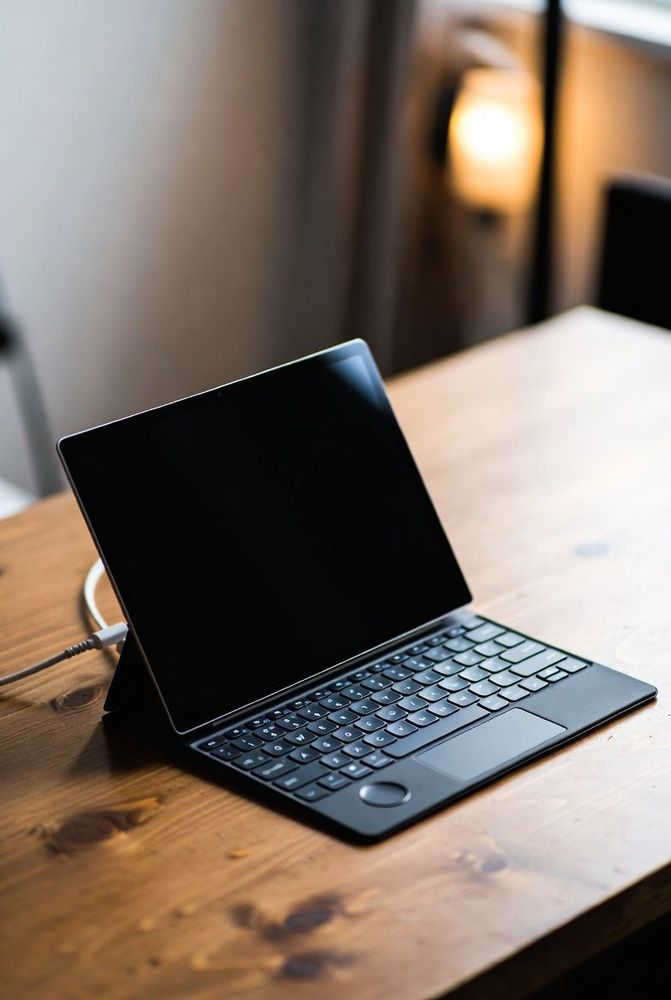
In laptop architectures, FPC systems serve as the core data highway crossing the high-wear hinge zone, linking the main motherboard to the display panel, webcam, and microphone arrays. Because these cables must bend thousands of times over the laptop's lifespan, the FPC connectors must utilize ultra-low-profile ZIF housings—frequently under 1.0mm in total mated height—equipped with robust integrated metal flip-locks.
Furthermore, because these lines run high-speed differential video signals (such as eDP or MIPI) directly alongside sensitive Wi-Fi and Bluetooth antennas inside the display bezel, laptop FPC connectors must incorporate advanced EMI shielding setups. These specialized connectors feature grounded metal outer shells that lock onto shielded FFCs, forming a continuous ground loop that prevents high-frequency data noise from radiating outwards and disrupting the laptop's wireless connectivity.
Display Panel Applications
Display panels require routing hundreds of parallel lines from the timing controller (T-Con) board directly to the source driver glass. FPC connectors built for display applications feature ultra-fine pitches—down to 0.3mm or 0.2mm—packaging over 80 or 100 positions into a single, razor-thin housing.
Because display modules generate significant heat during continuous operation, the FPC housings must be molded from high-grade Liquid Crystal Polymers (LCP). This material maintains absolute dimensional stability under sustained thermal loads up to +105°C, preventing the sub-millimeter terminal pitches from shifting or warping over years of continuous screen uptime.
Camera Module Applications
Digital camera modules present perhaps the most mechanically hostile environment for micro-pitch connectors. Deployed inside compact camera bodies or optical image stabilization (OIS) assemblies, FPC connectors must survive continuous vibrational hums and high-G drop shocks while linking image sensors to the primary image signal processor (ISP).
To prevent the flexible circuit from shifting or backing out under sudden impacts, camera-grade FPC systems utilize specialized side-catcher ZIF locks. These housings feature small plastic tabs inside the mating mouth that hook into matching laser-cut notches on the side of the FPC cable. Once the actuator is closed, the cable is mechanically locked in all three axes, ensuring that even a hard drop onto concrete cannot pull the traces away from the contact pins.
Microscopic Infrastructure for Modern Electronics
From the shielded, high-flex hinge lines of ultra-portable laptops to the dense, thermally stable trace arrays of ultra-HD displays and the shock-locked modules of compact cameras, FPC and FFC connectors provide the microscopic infrastructure that makes modern electronics possible. Designing these systems requires evaluating localized EMI shielding, thermal material boundaries, and mechanical side-locking features to keep high-speed data flowing smoothly through the tightest electronic enclosures.