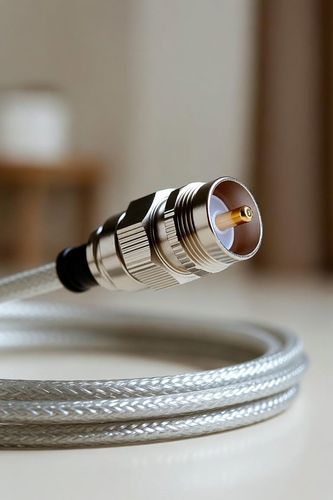
Looking the same is not the same as being interchangeable. Two connectors can match in pitch and footprint and still differ in contact geometry, plating, retention force, or tolerances, which can show up as a poor mate or a changed rating.
Start by comparing the two manufacturers' drawings and datasheets: footprint, mated height, contact material and plating, and the ratings you depend on. Then check intermateability. If you are replacing one half of a mated pair, confirm that it mates with the existing other half, which is best done with the manufacturer's statement or your own test.
Finally, qualify it in your assembly. Check mating and unmating force, retention, thermal rise at your current, and any environmental tests you rely on. Record the result against the exact part numbers, so a later change to either connector is caught. Do not treat a distributor's "equivalent" label as proof.