Introduction: The Criticality of the Surface Interface
In the architecture of an electronic interconnect, the base metal (typically a copper alloy) provides the bulk mechanical properties, such as yield strength, spring compliance, and structural formability. However, the base metal itself is rarely suited to act as the direct electrical interface. Untreated copper rapidly oxidizes, forming non-conductive films that degrade signal path continuity.
To bridge this gap, engineers deploy advanced electroplating technology. The plating layer—often measuring only a few micro-inches in thickness—dictates the connector's electrical stability, environmental resistance, insertion force, and cycle life. For the connector engineer, selecting the correct plating chemistry, underplate barrier, and thickness profile is a complex optimization problem balancing electrical requirements, mechanical wear, and manufacturing economics.
Part 1: Material Chemistries — Precious vs. Non-Precious Systems
Plating systems are broadly categorized into precious (noble) and non-precious (base) metals, each operating under entirely different physical mechanisms at the contact interface.
Noble Metal Plating Systems
Noble metals resist oxidation and tarnish in ambient and corrosive environments, making them the standard for low-voltage, low-current signal lines (dry circuits).
- Gold (Au): The premier choice for high-reliability systems. Gold exhibits excellent electrical conductivity and zero native oxide formation. Industrial connectors typically use "hard gold"—gold alloyed with trace amounts of cobalt (Co) or nickel (Ni) to increase the Knoop hardness from ~90 (pure soft gold) to over 130–200, vastly improving wear resistance.
- Palladium-Nickel Alloys (Pd-Ni): Frequently deployed as a cost-effective alternative to pure gold in high-cycle applications. Typically structured as a flash of gold over a Pd-Ni layer (e.g., 80% Pd / 20% Ni), this system offers exceptional hardness, low porosity, and excellent resistance to mechanical wear and polymer formation.
Non-Precious Metal Plating Systems
Non-precious metals rely on mechanical displacement to achieve electrical contact and are suited for higher power and higher normal force applications.
- Tin (Sn): The most common non-precious plating. Tin naturally forms a hard, thin, self-limiting oxide layer (SnO2) at the surface. To establish electrical continuity, the connector must exert a high normal force (typically >1.5 N) to physically fracture the brittle oxide layer, forcing the soft, ductile underlying tin to squeeze through the cracks and establish clean metal-to-metal contact.
Part 2: The Critical Role of the Nickel (Ni) Underplate
A common failure mode in connector design is specifying a top plating (like gold) directly over a copper base metal. Without an intentional barrier layer, copper molecules will spontaneously migrate into the gold layer via solid-state diffusion, oxidizing once they reach the surface and ruining the contact's noble properties.
To prevent this, engineers mandate a continuous nickel underplate (typically 50 to 100 micro-inches thick). The nickel layer serves multiple critical engineering functions:
- Diffusion Barrier: Nickel drastically retards the solid-state diffusion of copper and zinc out of the base alloy toward the precious contact surface.
- Mechanical Support: Nickel acts as a hard backing layer (a "hard bed mattress") beneath soft top coatings like gold or tin, reducing mechanical wear and preventing the thin top layer from wiping away during mating cycles.
- Porosity Mitigation: Electroplated gold layers can contain microscopic pinholes (porosity). If atmospheric moisture enters these pores, it hits the nickel underplate, which passivates and slows down galvanic corrosion, rather than aggressive copper corrosion which would lift the gold plating.
Part 3: Wear Mechanisms and Failure Modes
Fretting Corrosion
Exclusive to tin-plated connectors, fretting corrosion is triggered by repetitive, microscopic relative motion (1 to 100 microns) between mated contacts, driven by thermal expansion cycles or ambient vibration. As the contact shifts slightly, the exposed tin oxidizes. When it shifts back, it fractures that oxide and exposes more tin, which also oxidizes. Over time, this builds up a localized, highly resistive layer of black tin oxide debris, causing intermittent signal drops or complete electrical open circuits.
Porosity and Galvanic Corrosion
If the top plating is specified too thin (e.g., less than 15 micro-inches of gold), the layer will suffer from high porosity. In humid or corrosive environments containing sulfur or chlorine, these pores allow corrosive agents to reach the base metal. The resulting corrosion products crawl out of the pores via capillary action, spreading an insulative layer over the gold contact zone.
Part 4: Plating Design Metrics and Trade-offs
High-Reliability Hard Gold (30–50 µin Au over 50 µin Ni): Targets aerospace, mil-spec, and medical data link applications. Outstanding longevity; highly sensitive to precious metal market pricing.
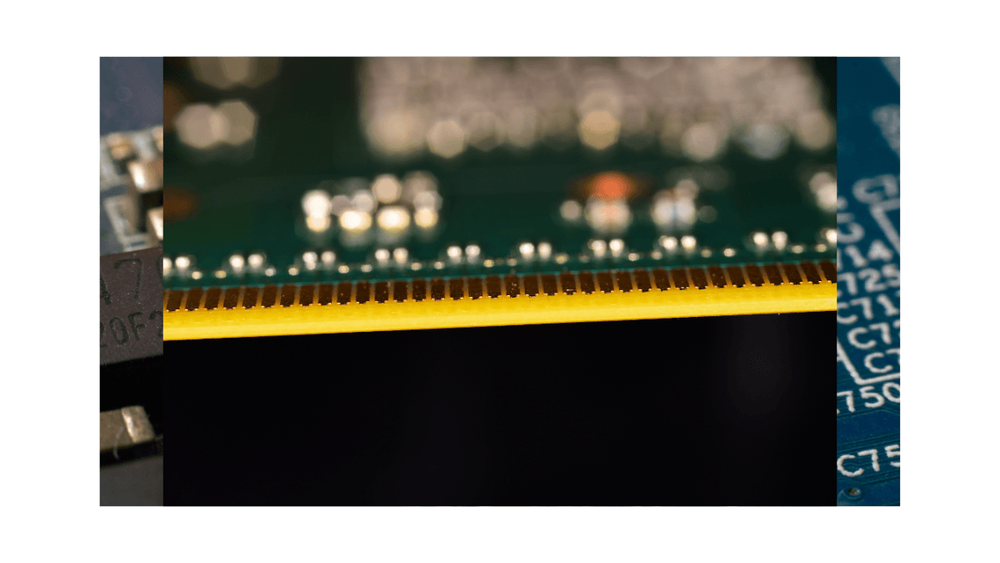
Selective / Zone Gold (15–30 µin Au on contact area only): Used in high-volume commercial electronics and PCIe slots. Optimizes cost by limiting gold usage; requires high-precision plating lines.
Matte Tin (100–200 µin Sn over 50 µin Ni): Applied in automotive power blocks and static wire-to-board. Cost-effective and high-power; prone to fretting corrosion and high insertion forces.
Engineers must also choose between Matte Tin and Bright Tin. Bright tin utilizes organic brighteners to produce a polished aesthetic, but it retains higher internal stresses, making it far more susceptible to the spontaneous growth of conductive tin whiskers, which can bridge fine-pitch spacings and cause short circuits. Matte tin is heavily preferred in modern surface-mount technology (SMT) components to mitigate this risk.
Conclusion: Specifying the Optimal Interface
Selecting a plating profile requires balancing the mechanical life expectancy of the connector with its operational environment. For high-mating-cycle, low-signal data paths, a robust nickel underplate capped with a hard gold or palladium-nickel alloy flash is mathematically necessary to guarantee long-term low contact resistance. For high-power, low-cycle applications where structural cost constraints rule out noble metals, tin systems remain highly effective—provided the mechanical architecture guarantees sufficient normal force and vibration isolation to prevent fretting failure.